Insightful blogs that explain smarter
hiring processes
Discover expert articles, industry trends, and technology updates that help recruiters
and
HR Professionals make informed, data-driven hiring decisions.
Discover expert articles, industry trends, and technology updates that help recruiters
and
HR Professionals make informed, data-driven hiring decisions.
The best ATS software is not always the platform with the longest feature list. It is the one...
Free resume search sounds useful to every recruiter. It can help when hiring budgets are tight, roles are...
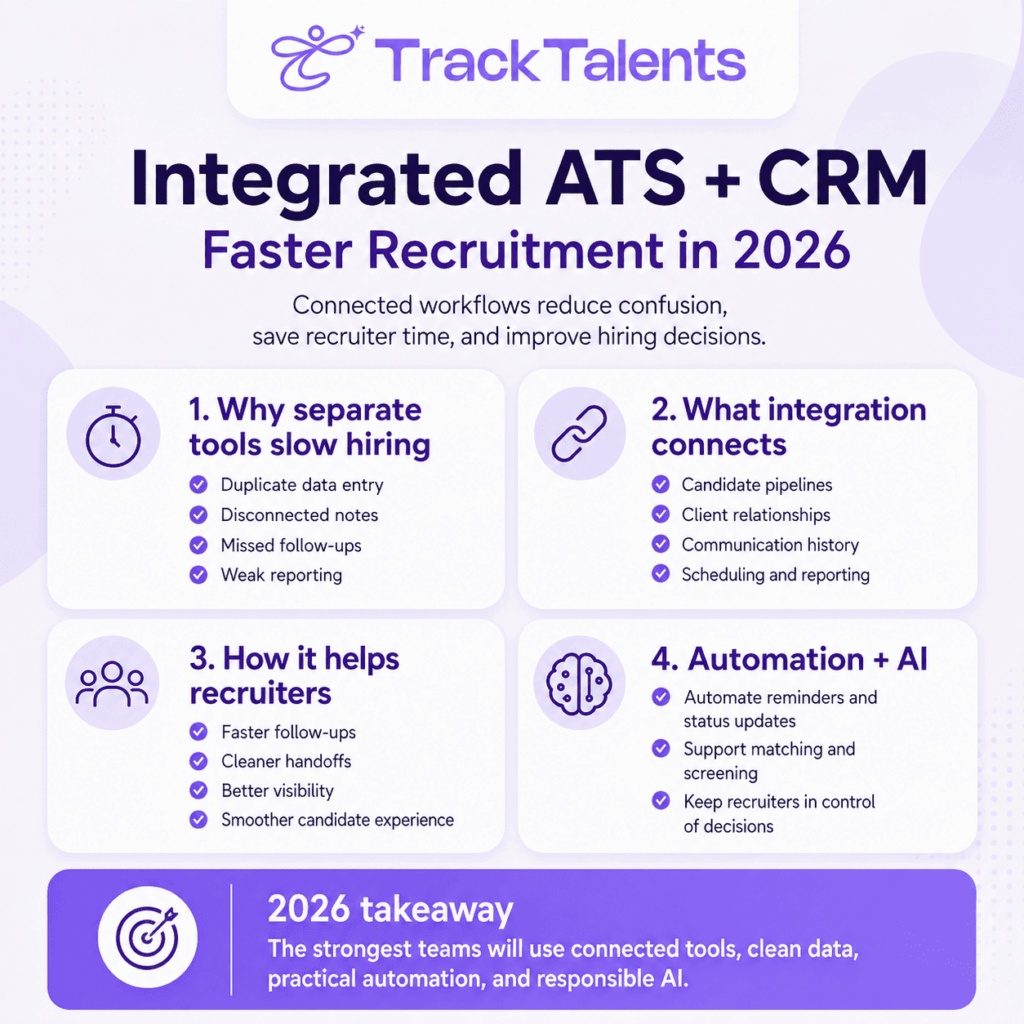
Applicant tracking systems were once treated as recruitment databases: publish a vacancy, collect applications, record interviews, and close...
Recruiting is evolving as talent shifts between markets. Companies now compete for the same skills across regions, industries,...
Workforce restructuring is often presented as a financial exercise: reduce costs, remove duplicate roles and align headcount with...
LinkedIn Recruiter can be a powerful sourcing tool when recruiters know how to use it well. Its main...
Recruiters see vacancies, application stages, and interview schedules inside an applicant tracking system. Candidates see something very different:...
Hiring is no longer simply about collecting applications. Most companies can attract applicants by posting enough roles across...
A hiring mistake in a Global Capability Center rarely looks costly on the offer date. The real cost...
The best ATS software is not always the platform with the longest feature list. It is the one...
Recruitment has become harder to manage, not because companies lack candidates, but because they receive too many applications...
Recruiters are no longer choosing applicant tracking software based on the longest feature list. Most platforms now promise...
An applicant tracking system (ATS) helps recruiters manage jobs, applications, candidate records, and hiring activity in one place....
An HR team does much more than recruit employees. It may handle payroll, leave, workplace policies, training, performance,...
Like other departments, the HR department has also lots of pressure to embark upon. However, recruiters these days using tools...
What is Candidate Experience? It is nothing else than how candidates feel about your company once they experience...
High-volume hiring looks simple from the outside. More jobs. More resumes. More recruiters. More interviews. Inside a staffing...
Staffing firms that recruit for large employers often work in two systems. The client releases contingent job requirements...
Free resume search sounds useful to every recruiter. It can help when hiring budgets are tight, roles are...
Hiring is no longer simply about collecting applications. Most companies can attract applicants by posting enough roles across...
Growth can make a successful business harder to run. More customers bring more orders, service requests, and exceptions....
Candidate screening is the point at which recruiters decide which applicants should continue in the hiring process. It...
LinkedIn can help you find advertised vacancies, research employers, contact people connected to a hiring team, and become...
A late timesheet can disrupt several parts of the business. Payroll has to follow up on missing hours,...
Payroll errors are personal. A missing overtime entry, an outdated salary figure, or the wrong bank details can...
Recruiting is evolving as talent shifts between markets. Companies now compete for the same skills across regions, industries,...
LinkedIn Recruiter can be a powerful sourcing tool when recruiters know how to use it well. Its main...
Recruiters see vacancies, application stages, and interview schedules inside an applicant tracking system. Candidates see something very different:...
Recruiter incentives influence placement numbers and improve quality as well. They affect which vacancies receive attention, how carefully...
Cold calling in recruitment still has a place in sourcing, especially when recruiters need to reach professionals who...
Recruitment marketing helps potential candidates discover a role, understand the employer, and decide whether applying is worth their...
A company may have enough employees to run its daily operations yet lack the skills needed for a...
A staffing firm can send a shortlist within hours and still lose the client. The candidates may be...
Recruitment becomes costly when every vacancy arrives as an emergency. A hiring manager raises a request. The recruiter...
Applicant tracking systems were once treated as recruitment databases: publish a vacancy, collect applications, record interviews, and close...
Workforce restructuring is often presented as a financial exercise: reduce costs, remove duplicate roles and align headcount with...
A hiring mistake in a Global Capability Center rarely looks costly on the offer date. The real cost...
Like other departments, the HR department has also lots of pressure to embark upon. However, recruiters these days using tools...
Recruiters can generate job descriptions, outreach messages, or interview questions. The greater challenge is creating materials that accurately...
Best Methods for Hiring Passive Candidates Hiring passive candidates is different from reviewing applications. These professionals have not...
Staffing is a competitive service business. Clients can contact several agencies for the same vacancy, and applicants frequently...
At first glance, recruitment software can seem easy to compare. Most platforms advertise candidate tracking, job posting, automated...
An applicant tracking system (ATS) does not make recruitment effective by itself. It helps employers organize job openings,...
What Is an Applicant Tracking System and How Does It Work? An applicant tracking system, or ATS, is...
Applicant Tracking System Benefits for Recruiters and Hiring Teams An applicant tracking system, commonly known as an ATS,...
Why Companies Are Choosing Remote Recruitment Remote recruitment lets employers post job openings, review applications, interview candidates, administer...